
Spotlight on... Road safety
Road safety: Keeping our community safe
Staying safe on our roads is everyone's responsibility. Whether walking, cycling, driving or using a scooter, the decisions we make can have a significant impact on our own safety and that of others.
Swanmore College is working with our local neighbourhood policing team and Police Community Support Officers (PCSOs) following reports of unsafe scooter use involving young people in the local area.
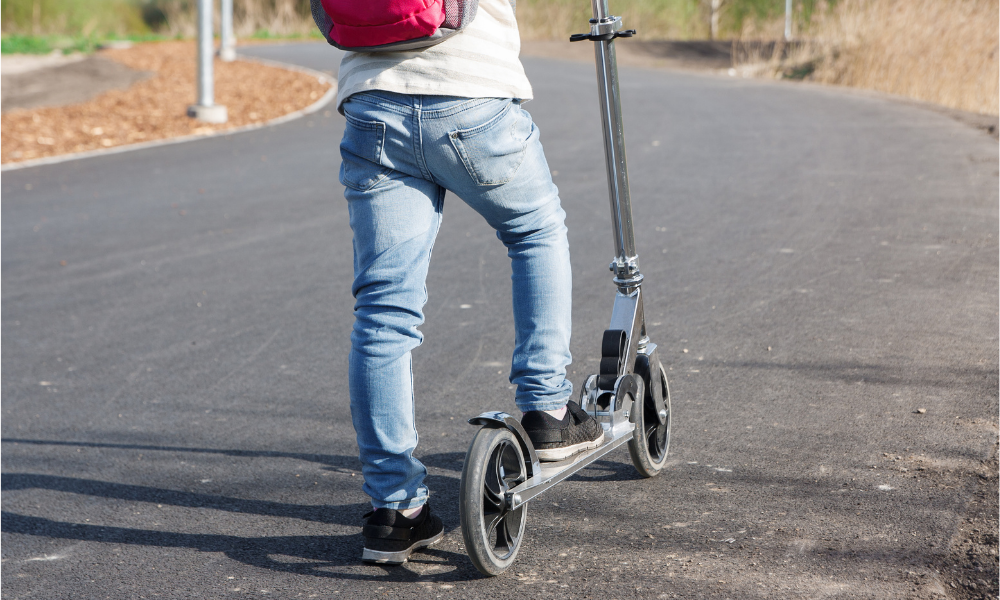
Understanding the risks
Road safety is particularly important as the evenings become darker and visibility is reduced.
Unexpected movements near traffic can also put both young people and other road users at risk. Drivers need time to see and react to what is happening around them, and even a momentary lapse in judgement can have serious consequences.
With many rural roads in and around Swanmore, it is especially important for everyone to remain alert and aware of their surroundings.
Staying safe on our roads
We encourage all families to discuss road safety with their children and reinforce a few important reminders when travelling around the local area:
- Stay safe around traffic. Keep to pavements where appropriate, use safe places to cross and never deliberately move into the path of a vehicle.
- Make sure you can be seen. As the evenings get darker, consider wearing lighter-coloured or reflective clothing, particularly when out in the evening.
- Think about other road users. Drivers need time to see you and react. Unexpected movements near traffic can put everyone at risk.
- Use scooters responsibly. Always wear a helmet, and understand the rules around scooter use, particularly the restrictions on privately owned electric scooters.
- Make sensible decisions. Avoid taking part in dangerous behaviour or encouraging others to do so, even when friends are involved.
- Stay alert and avoid distractions. Using a mobile phone while walking near traffic can be a serious distraction, particularly on rural roads where pedestrians need to be aware of their surroundings.
Electric scooters: What does the law say?
Privately owned electric scooters cannot legally be ridden on public roads, pavements or in other public spaces. They can only be used on private land with the landowner's permission.
Under the Road Traffic Act 1988, e-scooters are classed as motor vehicles. This means that requirements such as insurance and an appropriate driving licence apply.
Hampshire Police warns that anyone using an e-scooter illegally could face penalties, including:
- A possible £300 fine and six penalty points for riding without insurance
- A possible £100 fine and three to six penalty points for riding without the correct licence
- Seizure of the e-scooter by police, with the possibility of it being disposed of
- Further penalties for dangerous or antisocial behaviour
The penalties applied will depend on the circumstances and the offence committed.
There are separate rules for approved rental e-scooters operating within official government trial schemes. These require an appropriate driving licence and insurance, which is provided by the rental operator.
For further information, please read:
Working together to keep our community safe
The College takes reports of young people behaving dangerously seriously and is working with local police and PCSOs to address the concerns.
We are reminding pupils about the importance of responsible behaviour and encouraging parents and carers to reinforce these messages at home.
We also recognise the important role of our wider community in raising concerns and helping to keep local roads safe.
By working together, we can help make our roads safer for everyone.
If you have concerns about road safety around Swanmore College or reports of unsafe behaviour involving pupils, please contact the College at spotlight@swanmore-sec.hants.sch.uk.
Crimes and safety concerns requiring police attention should be reported directly to Hampshire Police by calling 101 or visiting www.hampshire.police.uk. Always call 999 in an emergency.
If you would like to request a focus for a future Spotlight article, you can also contact us using the email address above.