
Bonfire Night sparks debate
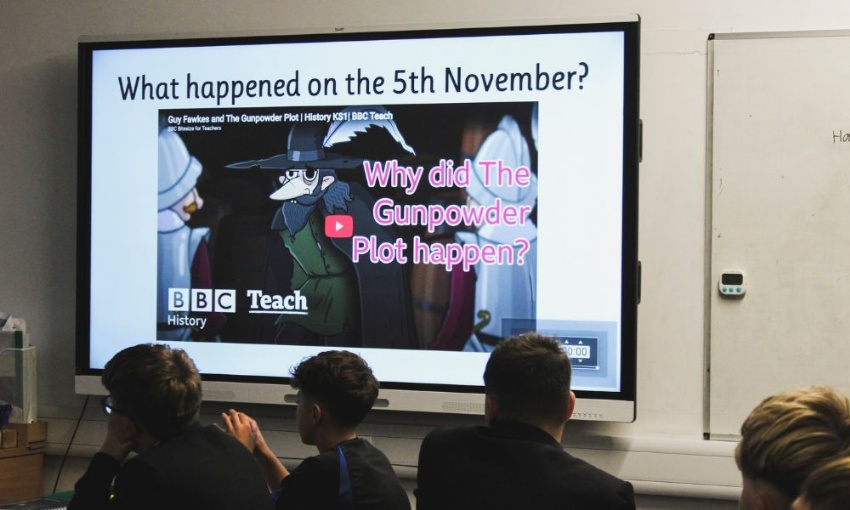
Pupils explored the Gunpowder Plot and considered the relationship between historical traditions, freedom of expression and respect for others.
Looking beyond the fireworks: The history and ethics of Bonfire Night
Bonfire Night is a familiar part of British culture, but how often do we stop to think about the history behind its traditions?
This week in Thinking Together, pupils at Swanmore College have been learning about Guy Fawkes and the Gunpowder Plot of 1605, exploring how the failed attempt to blow up Parliament became the basis for a tradition that continues more than 400 years later.
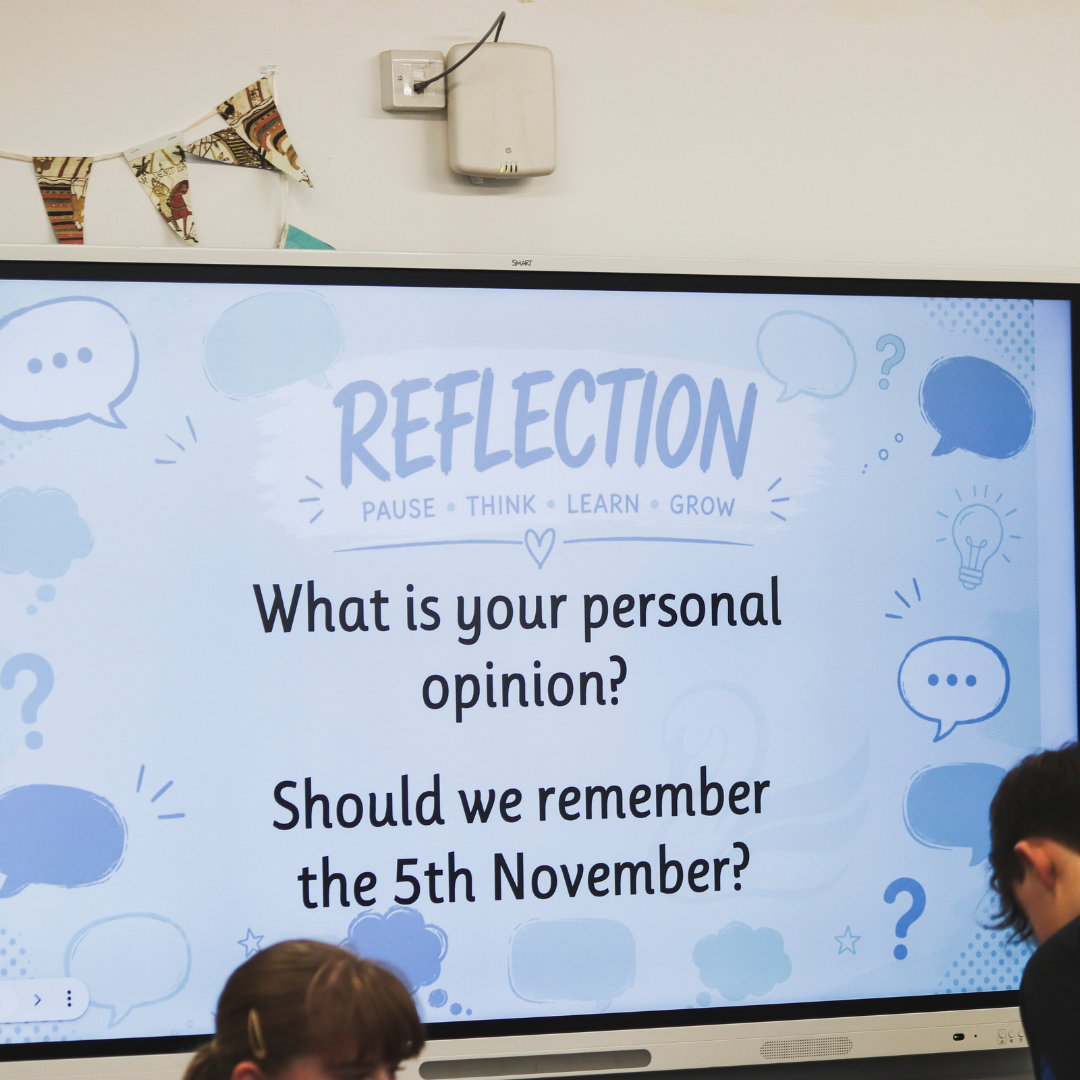
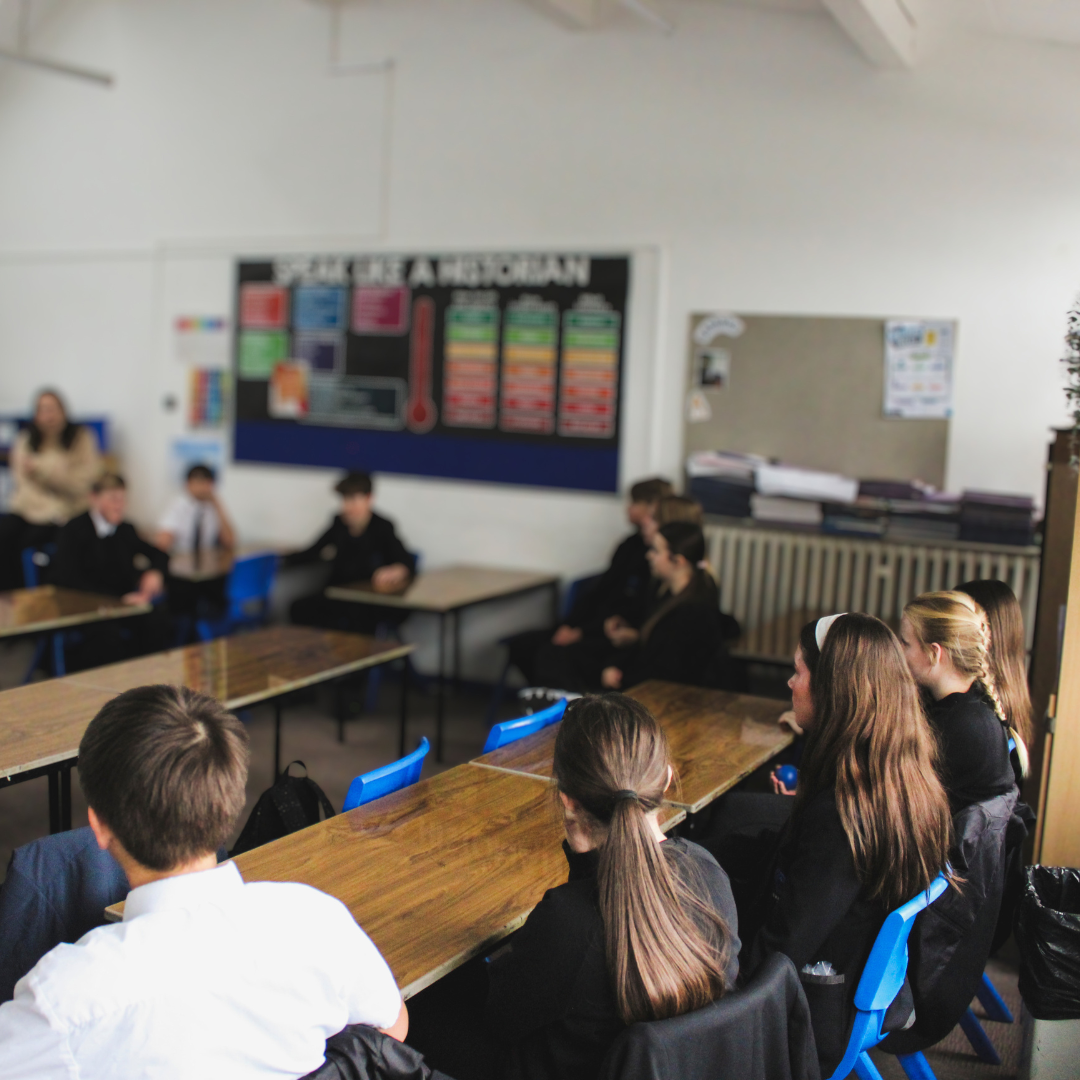
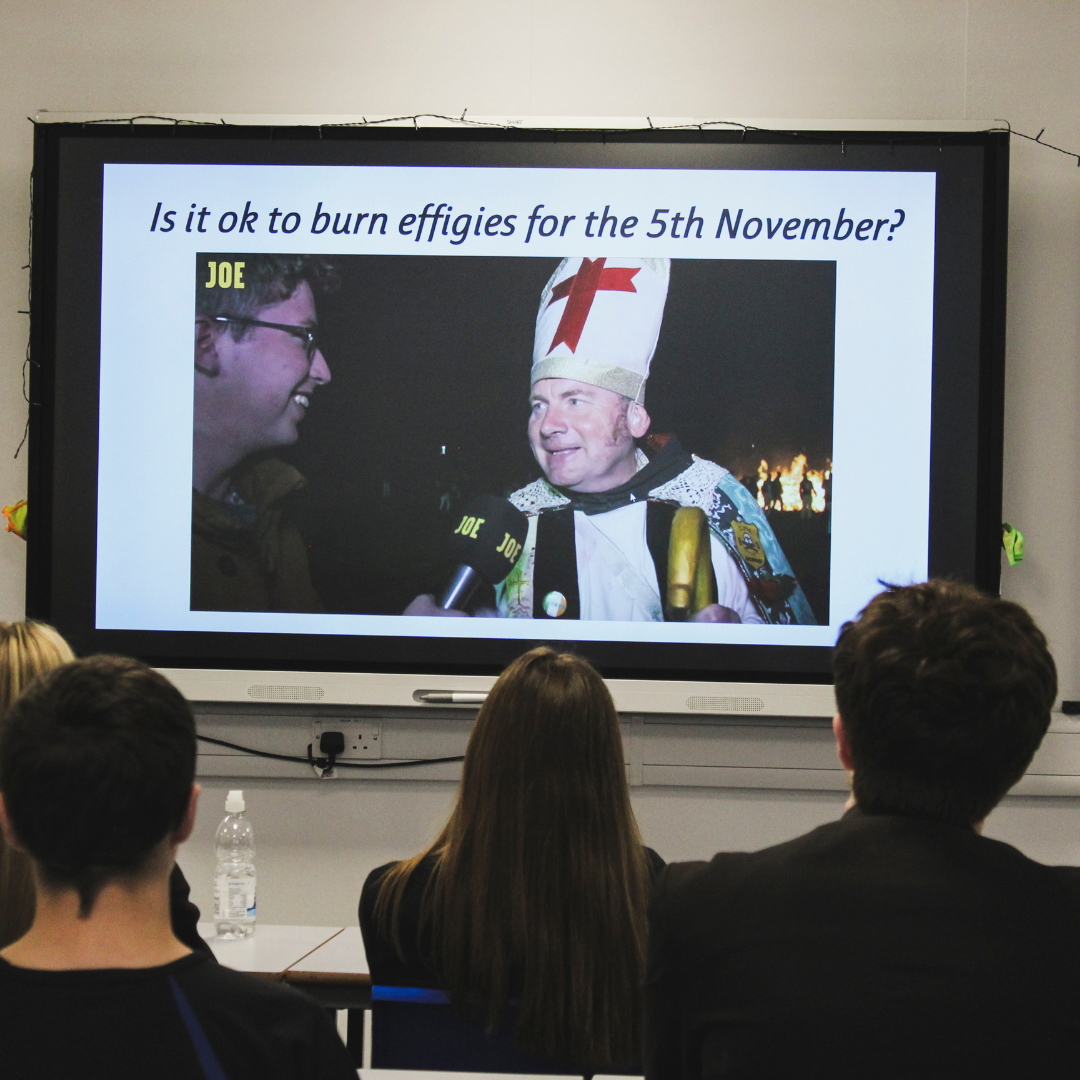
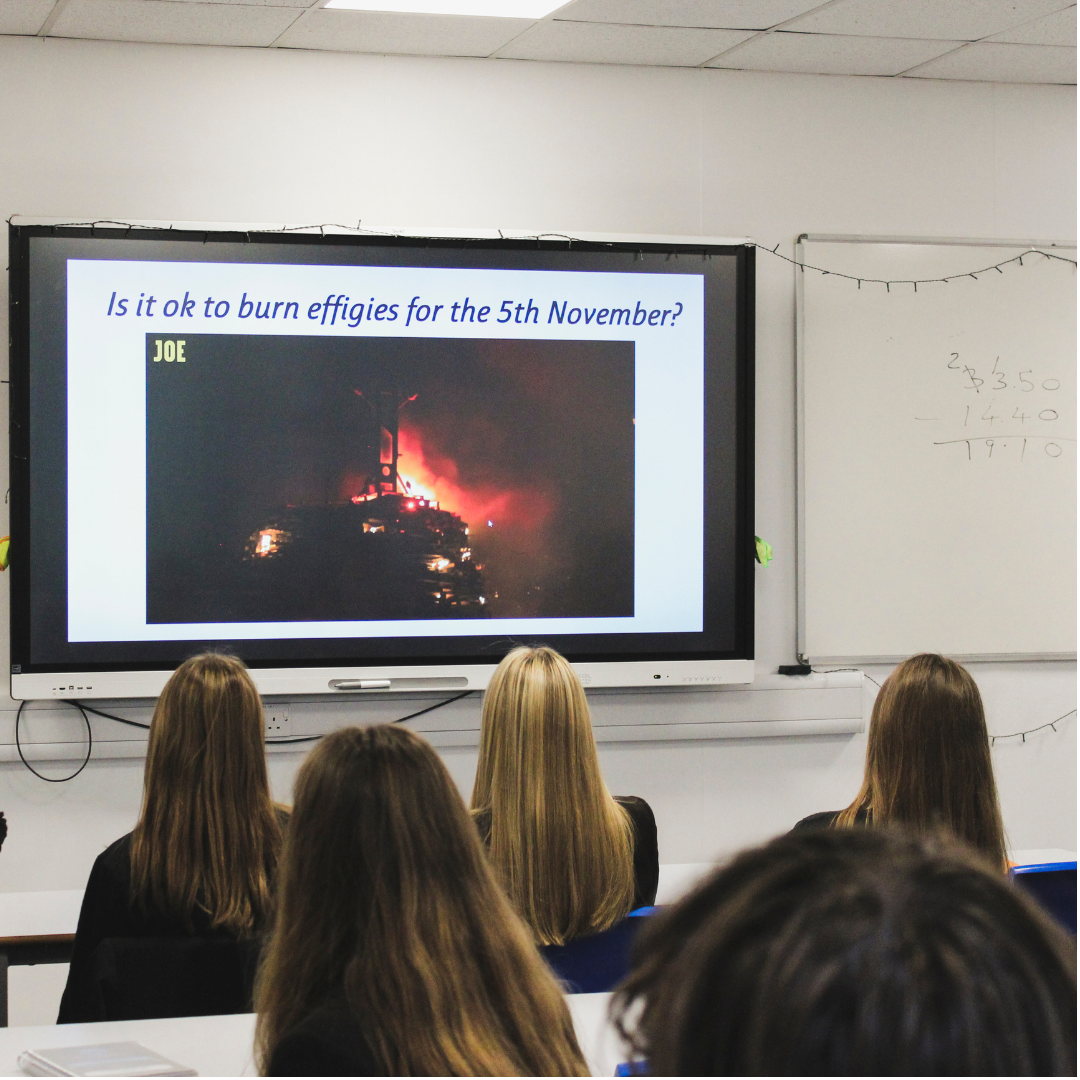
Our Key Stage 4 historians took the discussion further by examining the tradition of burning effigies and considering a thought-provoking question: Is it morally acceptable to burn an effigy of another person?
Through discussion and debate, pupils considered different perspectives, questioning where the boundaries lie between tradition, freedom of expression and respect for others. It also encouraged them to think about how attitudes towards historical customs can change over time.
The discussion connected with our work as a UNICEF Rights Respecting School, particularly two articles of the United Nations Convention on the Rights of the Child (UNCRC):
-
Article 2: Non-discrimination, which protects every child's right to be treated fairly and without discrimination.
-
Article 19: Protection from violence, which recognises every child's right to protection from all forms of violence.
It was a valuable opportunity for pupils to look beyond the historical facts, think critically about the traditions we continue to observe and consider how the lessons of the past remain relevant today.