
07 Oct 2026
Mrs Curd – Head of Science
Mr Higgins – Assistant Head of Science
Miss Phillips – Teacher of Science and Head of Year
Mr Dalwood – Teacher of Science
Mr Fisher – Teacher of Science
Ms Hope - Teacher of Science
Mr Mosley – Teacher of Science and Assistant Headteacher
Dr Norris – Teacher of Science
Ms Patten - Teacher of Science
Miss Quinn – Teacher of Science and Head of Year
Mr Richards – Teacher of Science
Mr Rigby – Teacher of Science
Mrs Wilson – Teacher of Science
Mr Towle – Senior Science Technician
Mrs Andrews – Science Technician
Mrs Brickell – Science Technician
Ms Field – Science Technician
Miss Williams – Science Technician
...and more!
To contact a member of the department, please email:
Science-help@swanmore-sec.hants.sch.uk
Our Science department strives to inspire curiosity and nurture a lifelong passion for learning in every pupil. Science is everywhere – it helps us understand, question, and explore the world around us. We aim to create an environment where all pupils are engaged, motivated, and confident in their ability to succeed.
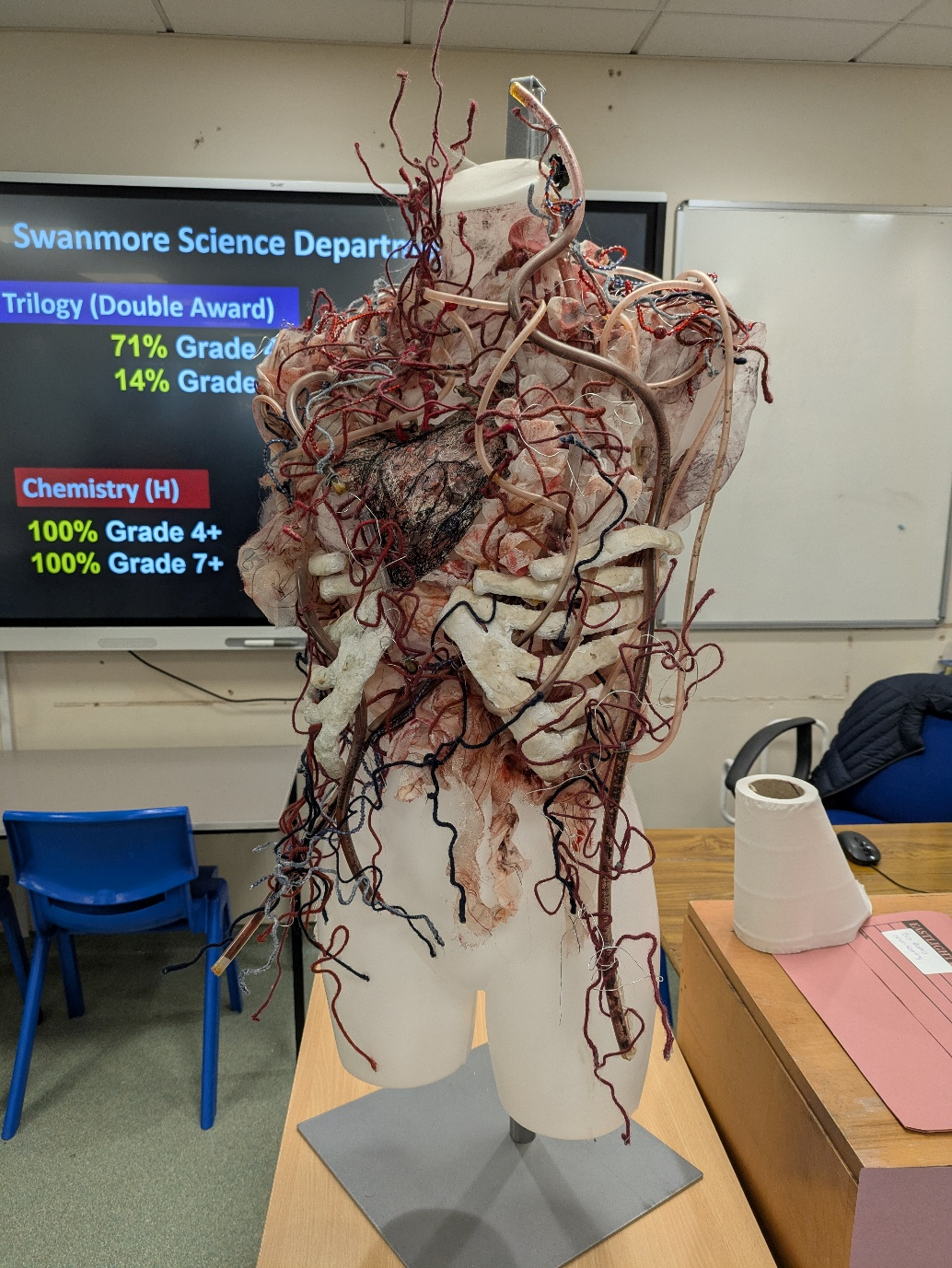 Through high-quality teaching and practical experiences, we prioritise the development of scientific thinking, transferable skills, and deep knowledge that can be applied in new and challenging contexts. We encourage pupils to become creative problem-solvers, able to investigate, analyse, and evaluate evidence with independence and integrity.
Our team of dedicated teachers and technicians work collaboratively to ensure lessons are inclusive, responsive, and adapted to individual needs. We use ongoing assessment, both formative and summative, to identify and address learning gaps, ensuring that every pupil makes progress.
By promoting a culture of curiosity, resilience, and collaboration, our vision is for all pupils to be equipped with excellent scientific knowledge, and the confidence and skills to make a positive difference in our ever-changing world.
All pupils study GCSE Science, following one of two pathways:
We follow the AQA exam board for both routes. Selection for Separate Sciences takes place in Year 10, typically for pupils who achieve grade 7-7 or higher in their Summer mock exams. The tiering for Higher entries ranges from grades 4-3 to 9-9, while the Foundation tier covers grades 1-5.
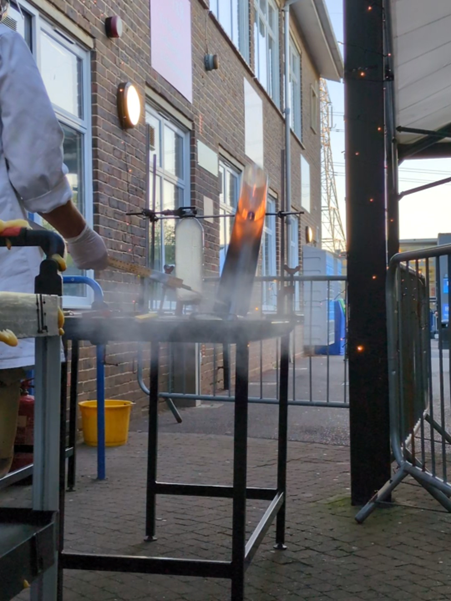

Parents can support their child’s science learning at home by encouraging regular revision using resources such as BBC Bitesize, Cognito, and their school-provided materials. Discussing real-world applications of science, such as climate change, medicine, or technology, can help make topics more engaging. Encouraging the use of revision techniques like flashcards, past paper questions, and mind maps can improve understanding and recall. Practical activities, such as cooking (which involves chemistry) or simple experiments, can also reinforce key concepts. Ensuring a quiet study space and a structured revision schedule will further support their progress.

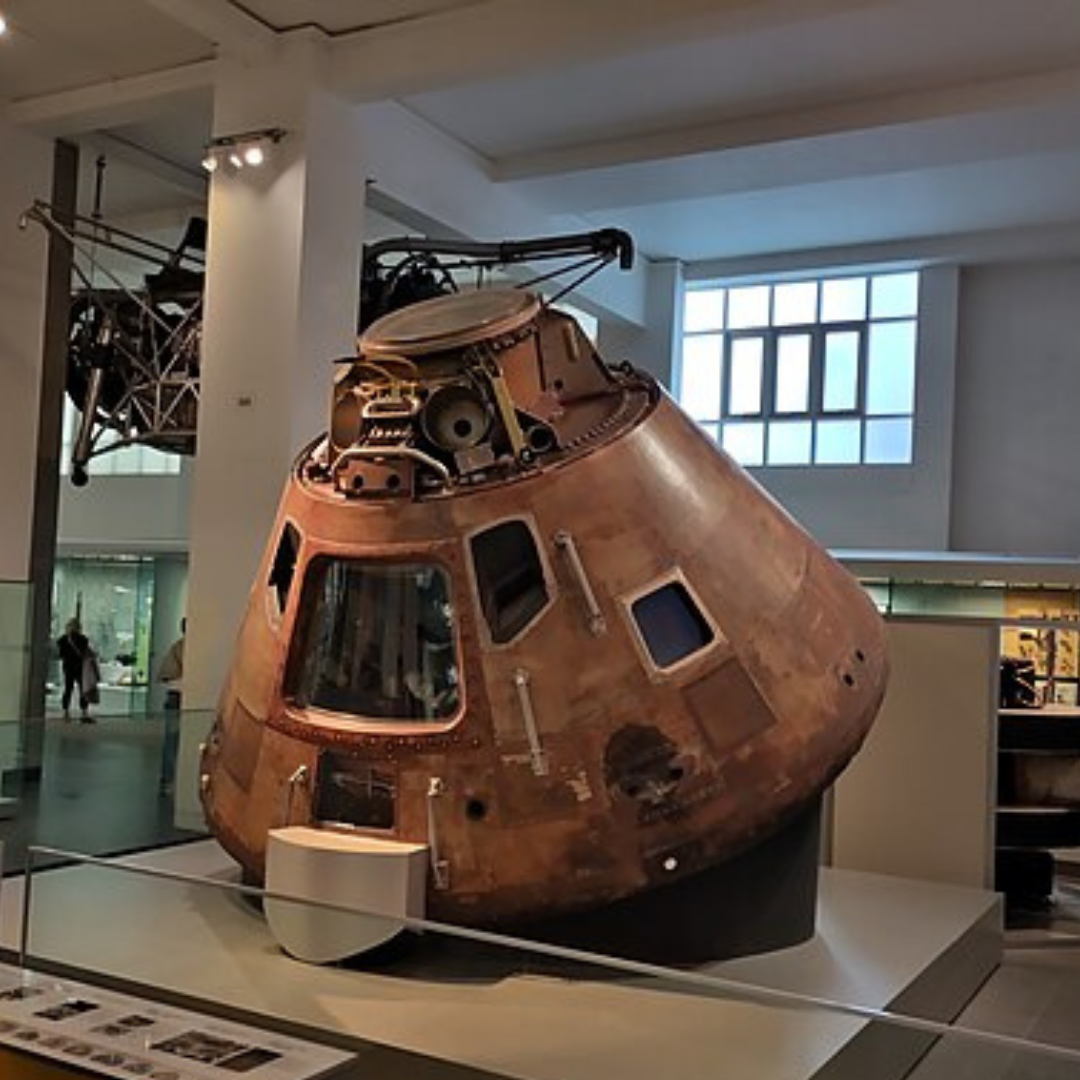
If your child has a strong passion for science, there are plenty of ways to nurture their curiosity further. Encouraging them to take part in STEM clubs, science fairs, or national competitions such as the British Science Association’s CREST Awards can provide exciting challenges beyond the classroom. Watching science-themed YouTube channels like Veritasium, SciShow, and MinutePhysics can help them explore topics in an engaging way. Subscribing to magazines like New Scientist or BBC Science Focus can also spark deeper interest. Visiting science museums, observatories, and research centres can bring science to life, while online courses from platforms like FutureLearn or Khan Academy can introduce them to advanced concepts. For those considering a career in science, looking into work experience opportunities at local laboratories, universities, or science-related industries can provide invaluable insight into the field.