

13 May 2025
Mr Hughes – Head of RE and Sociology
Mx Pynigar – Teacher of RE, Ethics and Beliefs and Sociology
Mr Colburn – Teacher of RE, Ethics and Beliefs and Sociology
Mrs Whyte – Head of History and teacher of Ethics and Beliefs
Miss Tymon – Teacher of History and Ethics and Beliefs
Miss Sutherland – Teacher of History, RE and Ethics and Beliefs
Miss Huggins – Teacher of History, RE and Ethics and Beliefs
Miss Ridgitt – Teacher of Geography and RE
Mr Keenan – Senior Cover Supervisor and Teacher of RE
To contact a member of the department, please email RE-help@swanmore-sec.hants.sch.uk
“Exploring beliefs, society, and human connections”
|
Pupils in RE and Sociology will foster a love of theology, philosophy and society through passionate and well-planned teaching based on secure subject knowledge of the teacher.
At the heart of all, focusing on reducing the attainment gap between disadvantaged and non-disadvantaged students will drive departmental decision making and strategy on a daily and long-term basis. All pupils will be challenged to achieve the best that they are capable of, inspiring a passion for RE and Sociology.
The department will aim to build, maintain, and grow a continuing collaborative culture of excellence based on mutual respect and a desire to improve where all departmental colleagues are committed to succeeding in assisting curious young minds to flourish in RE and Sociology.

Click on the subject name below to visit the Year 9 options page.

Actual dates for these events will be published on the website and via SwanBites:
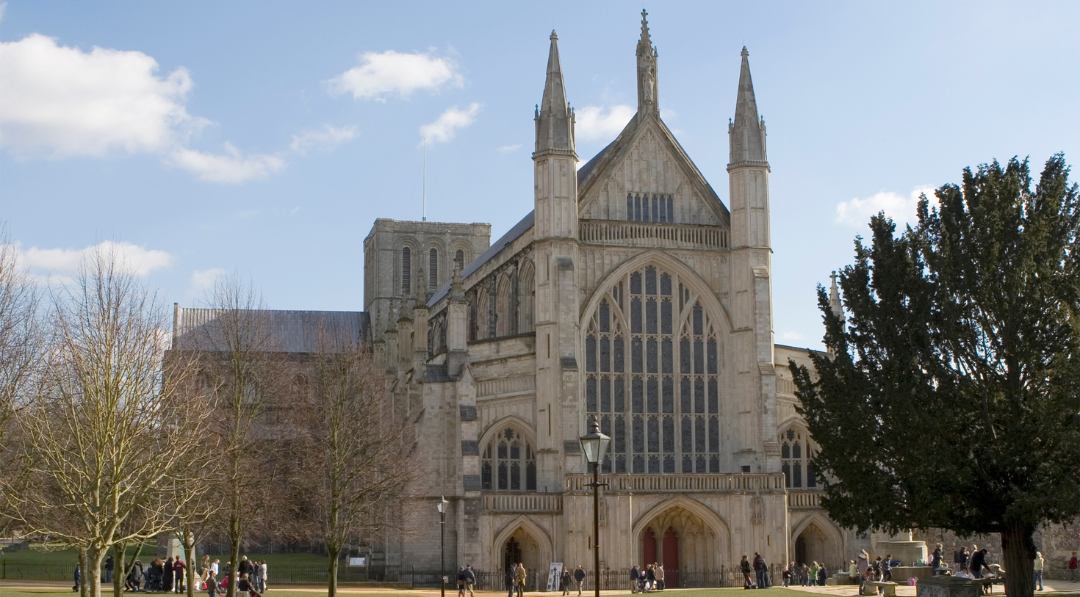
You can foster a love of Religious Education (RE) by encouraging open discussions about different beliefs and worldviews at home. Visiting local sites such as Romsey Abbey or Quarr Abbey can bring RE to life, offering real-world insights into faith and history.
Engaging with books, films, and documentaries about religion, philosophy, and ethics can make learning more relatable. You can also attend interfaith events or talks at local community centres, libraries, or universities, such as the University of Winchester, to deepen your own understanding and share experiences with your children.
Encouraging critical thinking through debates on moral and ethical issues, using real-world examples, helps children see the relevance of RE in daily life. By fostering curiosity, respect, and open-minded discussion, you can help your children develop a lasting appreciation for RE and its importance in a diverse society.
You can foster a love of Sociology by encouraging discussions about social issues, inequality, and cultural change. Watching documentaries, reading news articles, and listening to podcasts on topics like crime, education, and the media can help children see Sociology’s relevance in everyday life.
Visiting local institutions such as Winchester’s museums, community organisations, or courtrooms can provide real-world insights into social structures and justice. Engaging in debates about current events helps develop critical thinking and analytical skills.
You can also support your child’s studies by discussing sociological perspectives on family, education, and work, linking theory to real-life experiences. Encouraging independent research, such as investigating local social policies, can deepen their understanding.
By promoting curiosity, critical thinking, and open discussion, you can help your children develop a lasting appreciation for Sociology and its impact on society.