Skip to content

Science

Staffing list:

Mrs Curd – Head of Science

Mr Higgins – Assistant Head of Science

Miss Phillips – Assistant Head of Science

Mrs Culverhouse – Teacher of Science

Mr Dalwood – Teacher of Science

Mr Fisher – Teacher of Science

Mr Mosley – Teacher of Science and Assistant Headteacher

Dr Norris – Teacher of Science

Miss Quinn – Teacher of Science and Head of Year

Mr Richards – Teacher of Science

Mr Rigby – Teacher of Science

Mrs Wilson – Teacher of Science

Mr Towle – Senior Science Technician

Mrs Andrews – Science Technician

Mrs Brickell – Science Technician

Ms Field – Science Technician

Miss Williams – Science Technician

Swanmore Science logo featuring a stylised laboratory flask in light and dark blue, with an abstract swan shape inside and atomic-style orbits surrounding it. The word “SWANMORE” appears below in black capital letters, with “SCIENCE” in blue capitals beneath, separated by horizontal blue lines.

Inspiring curiosity, stimulating scientific thinking, and empowering pupils to succeed in our changing world


To contact a member of the department, please email: 
Science-help@swanmore-sec.hants.sch.uk


Vision statement:

Our Science department strives to inspire curiosity and nurture a lifelong passion for learning in every pupil. Science is everywhere - it helps us understand, question, and explore the world around us. We aim to create an environment where all pupils are engaged, motivated, and confident in their ability to succeed.
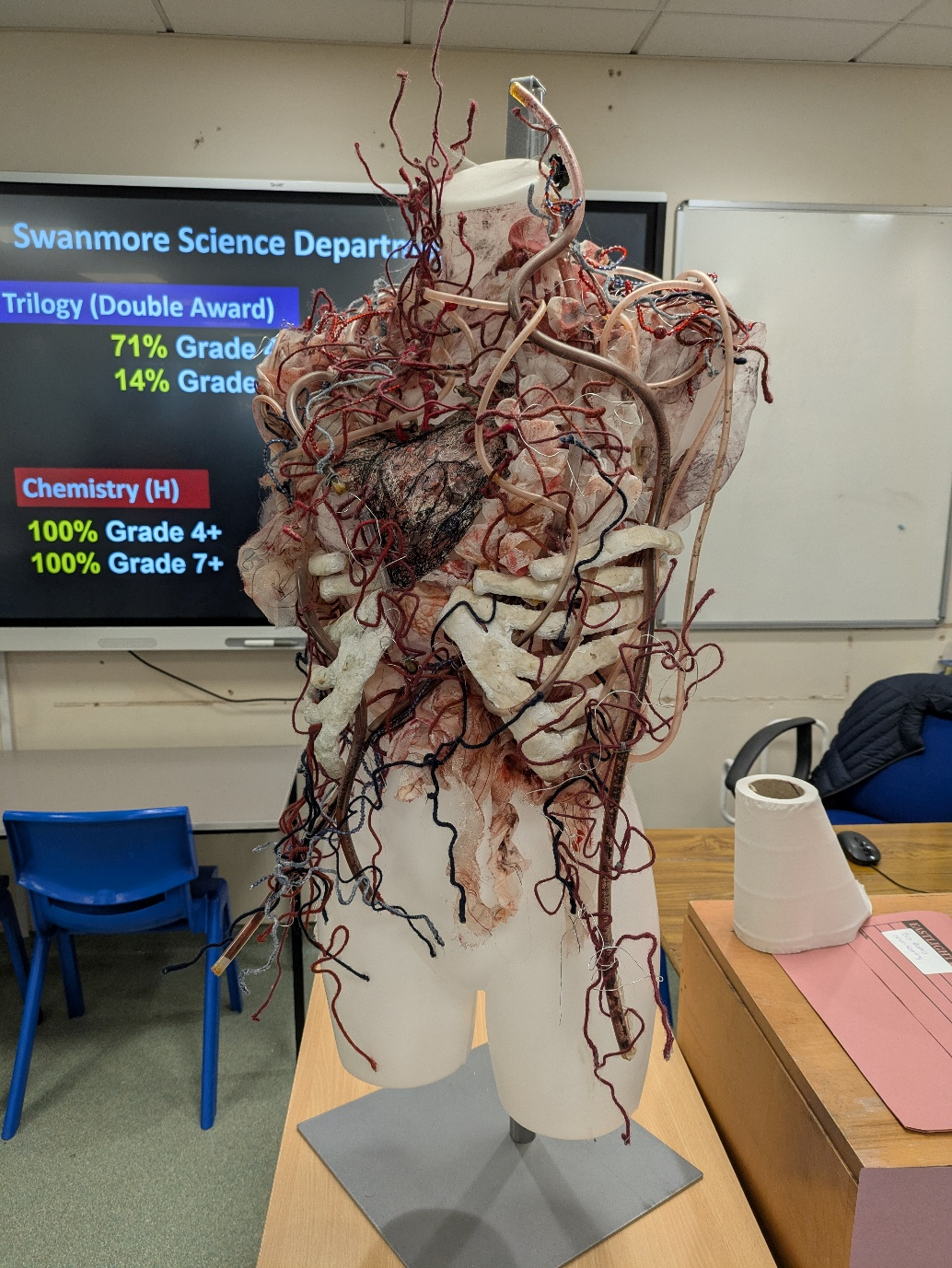
Image shows a detailed anatomical torso model displayed on a classroom desk, featuring exposed organs and an intricate network of red, blue and beige tubes and wires representing blood vessels and internal systems. A screen behind the model displays Swanmore Science Department exam results information, with classroom furniture visible in the background.Through high-quality teaching and practical experiences, we prioritise the development of scientific thinking, transferable skills, and deep knowledge that can be applied in new and challenging contexts. We encourage pupils to become creative problem-solvers, able to investigate, analyse, and evaluate evidence with independence and integrity.

Our team of dedicated teachers and technicians work collaboratively to ensure lessons are inclusive, responsive, and adapted to individual needs. We use ongoing assessment, both formative and summative, to identify and address learning gaps, ensuring that every pupil makes progress.

By promoting a culture of curiosity, resilience, and collaboration, our vision is for all pupils to be equipped with excellent scientific knowledge, and the confidence and skills to make a positive difference in our ever-changing world.

Subject curriculum:

Y9 Options:

All pupils study GCSE Science, following one of two pathways:

  • Combined Science: Trilogy
  • Separate GCSEs in Biology, Chemistry, and Physics.

We follow the AQA exam board for both routes. Selection for Separate Sciences takes place in Year 10, typically for pupils who achieve grade 8-7 or higher in their Summer mock exams. The tiering for Higher entries ranges from grades 4-3 to 9-9, while the Foundation tier covers grades 1-5.
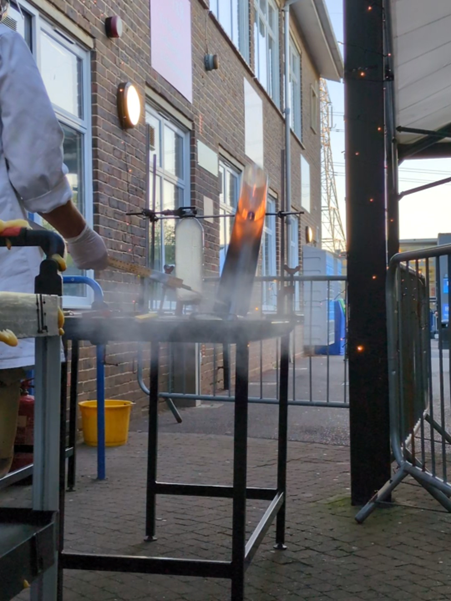

Image shows a science demonstration taking place outdoors, with a piece of equipment releasing steam and a glowing heated object held above a metal frame. A member of staff wearing protective gloves stands to the side, with the school building, safety barriers and equipment visible in the background.

Resources to help you support your child with their studies:


Image shows an open black laptop viewed from the front, centred against a colourful, abstract background. On the laptop screen is the BBC Bitesize logo, with the word “BITESIZE” written in bold purple capital letters alongside a stylised purple icon resembling stacked learning blocks or books. The screen background is white, making the logo stand out clearly. The laptop keyboard and trackpad are visible in the foreground, with realistic detail and shading. Behind the laptop, the background fades from pink to blue and purple tones and features faint network-style graphics, including dots and connecting lines, suggesting digital learning, science, or technology themes.Educake – your child will be given their login at school.                 
Link: https://www.educake.co.uk/
Cognito – online videos and learning for Key Stage 3 and GCSE
Link: https://cognitoedu.org/home
BBC Bitesize – online revision website
Link: https://www.bbc.co.uk/bitesize/examspecs/z8r997h
Sparx Science – your child will be given their login at school.
Link: https://sparxscience.com/


Get involved with Science at home:

Parents can support their child’s science learning at home by encouraging regular revision using resources such as BBC Bitesize, Cognito, and their school-provided materials. Discussing real-world applications of science, such as climate change, medicine, or technology, can help make topics more engaging. Encouraging the use of revision techniques like flashcards, past paper questions, and mind maps can improve understanding and recall. Practical activities, such as cooking (which involves chemistry) or simple experiments, can also reinforce key concepts. Ensuring a quiet study space and a structured revision schedule will further support their progress.
Documentaries to watch at home:

  • Blue Planet & Planet Earth (BBC) – Biology and ecosystems
  • The Planets (BBC, Prof. Brian Cox) – Space and physics
  • Horizon (BBC) – Science and technology developments
  • Inside the Factory (BBC) – Science behind everyday manufacturing
  • David Attenborough’s Documentaries – Climate change, biodiversity, and ecosystems

Places to Visit (Hampshire & Surrounding Areas):

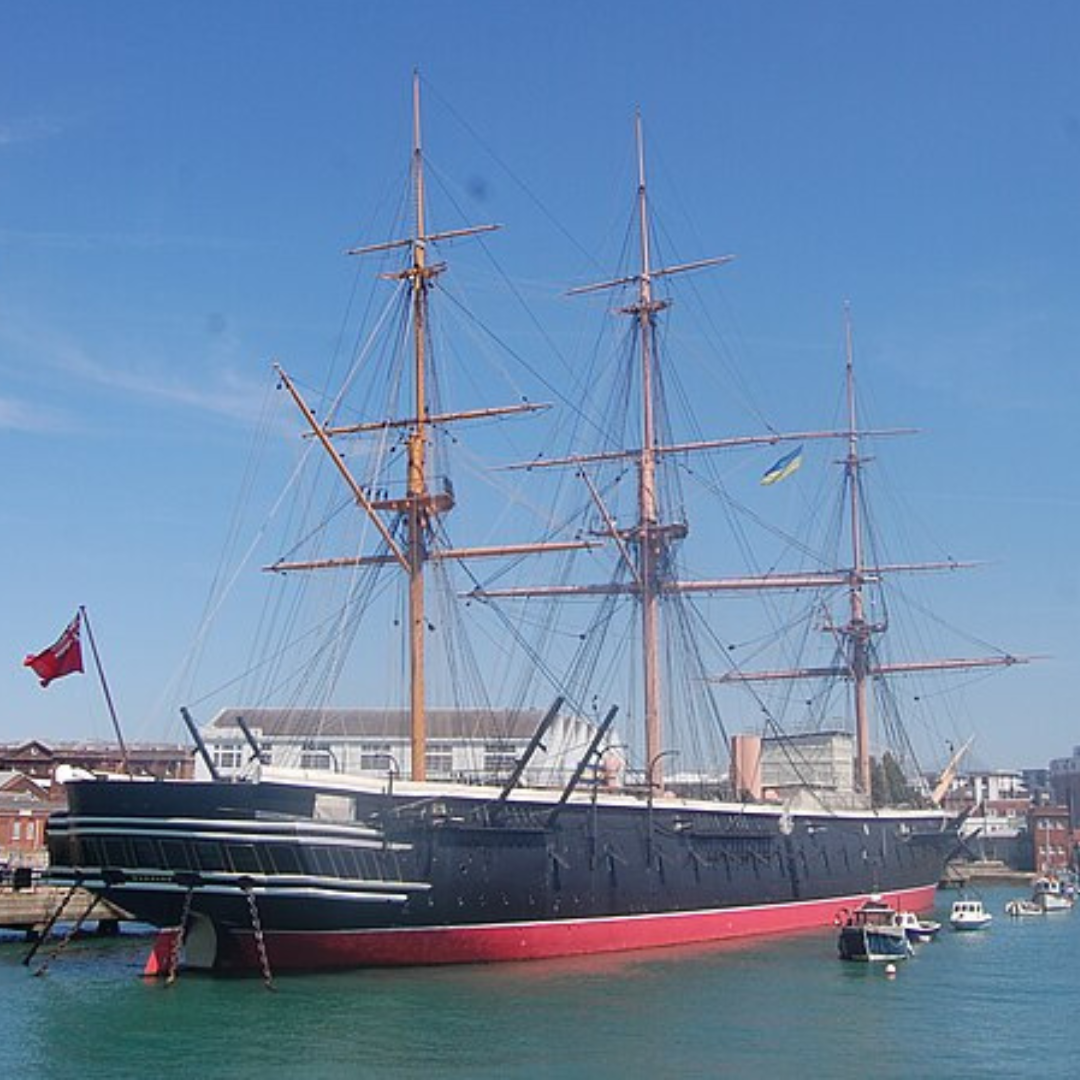
Image shows HMS Warrior moored at Portsmouth Historic Dockyard on a bright, clear day. The historic warship has a long black hull with tall wooden masts rising above it, crisscrossed with rigging and ropes. A red naval flag flies at the stern. Calm blue water is visible in the foreground, while dockyard buildings and modern structures can be seen behind the ship under a clear blue sky.

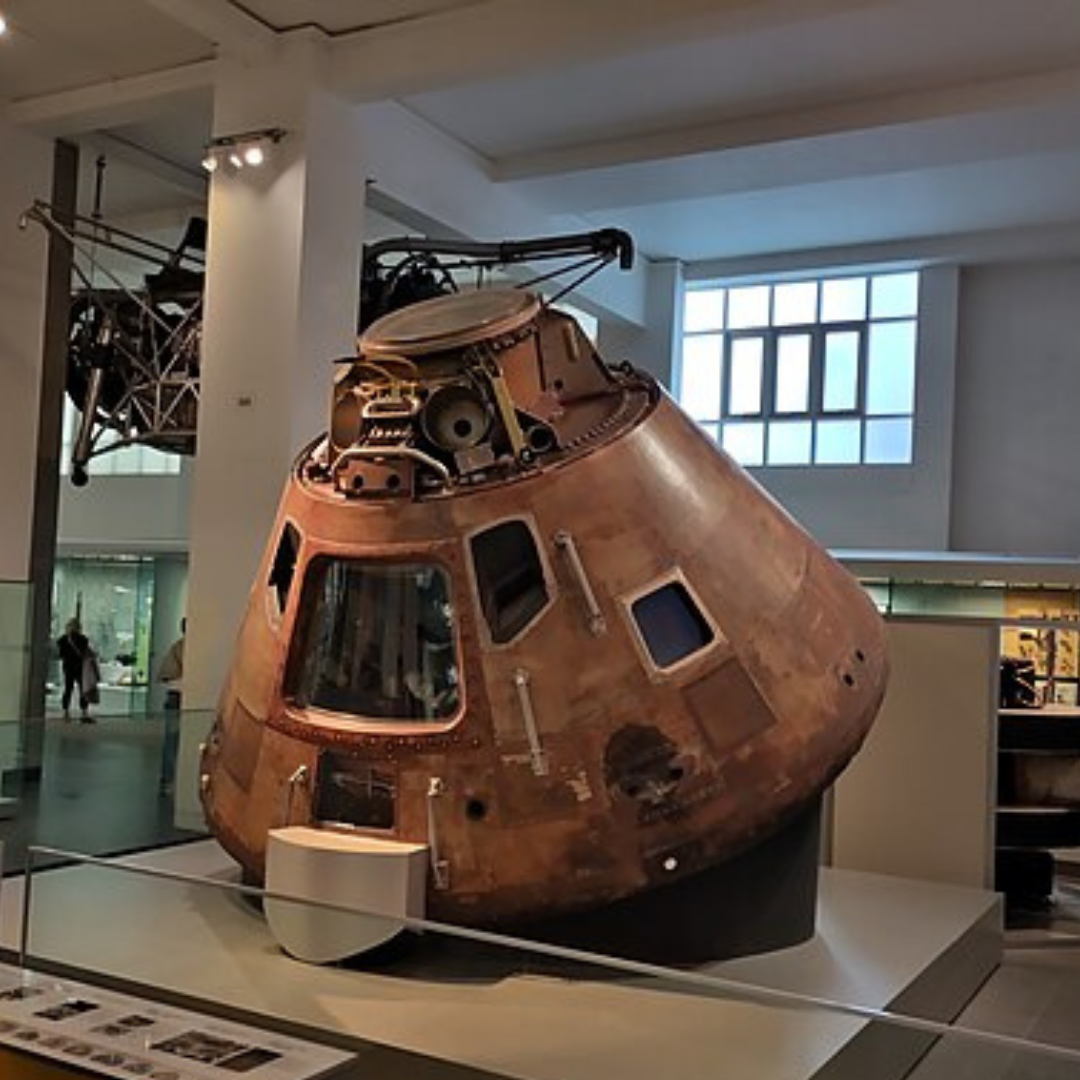
Image shows the Apollo 10 Command Module displayed inside the Science Museum in London. The spacecraft is cone-shaped and covered in heat-scorched copper-brown metal, showing marks and wear from space travel and re-entry. Small square and trapezoid windows are visible around the upper section, along with panels, bolts, and technical components. The module is positioned indoors within a bright museum gallery, with white pillars, display cases, and large windows in the background.

Image shows the main entrance hall of the Natural History Museum, viewed from below. A large suspended whale skeleton hangs from the high, ornate ceiling, with its long spine and ribs stretching across the hall. The building features grand Romanesque-style architecture, including arched balconies, stone columns, and decorative brickwork. Natural light floods in through large glass skylights, and visitors can be seen walking on the ground floor and upper levels.

Image shows a ring-tailed lemur perched on a branch in a leafy outdoor enclosure at Marwell Zoological Park. The lemur has grey and white fur, a dark face with white markings, and large yellow eyes looking directly towards the camera. Its long tail, with distinctive black-and-white rings, is partially visible. Green foliage surrounds the animal, with branches, leaves, and a wooden shelter in the background.

Love this subject and want to learn more?

If your child has a strong passion for science, there are plenty of ways to nurture their curiosity further. Encouraging them to take part in STEM clubs, science fairs, or national competitions such as the British Science Association’s CREST Awards can provide exciting challenges beyond the classroom. Watching science-themed YouTube channels like Veritasium, SciShow, and MinutePhysics can help them explore topics in an engaging way. Subscribing to magazines like New Scientist or BBC Science Focus can also spark deeper interest. Visiting science museums, observatories, and research centres can bring science to life, while online courses from platforms like FutureLearn or Khan Academy can introduce them to advanced concepts. For those considering a career in science, looking into work experience opportunities at local laboratories, universities, or science-related industries can provide invaluable insight into the field.
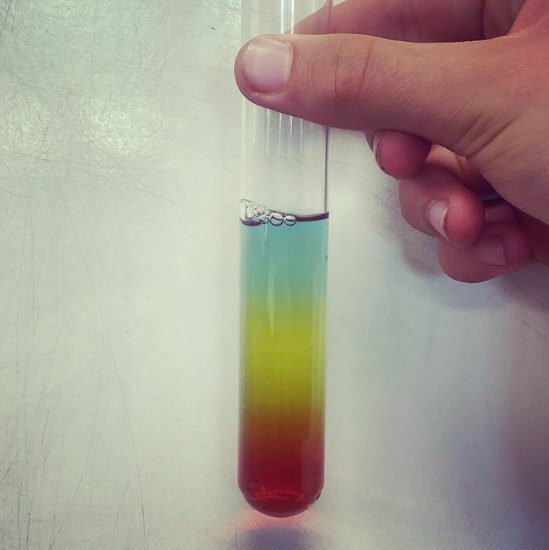
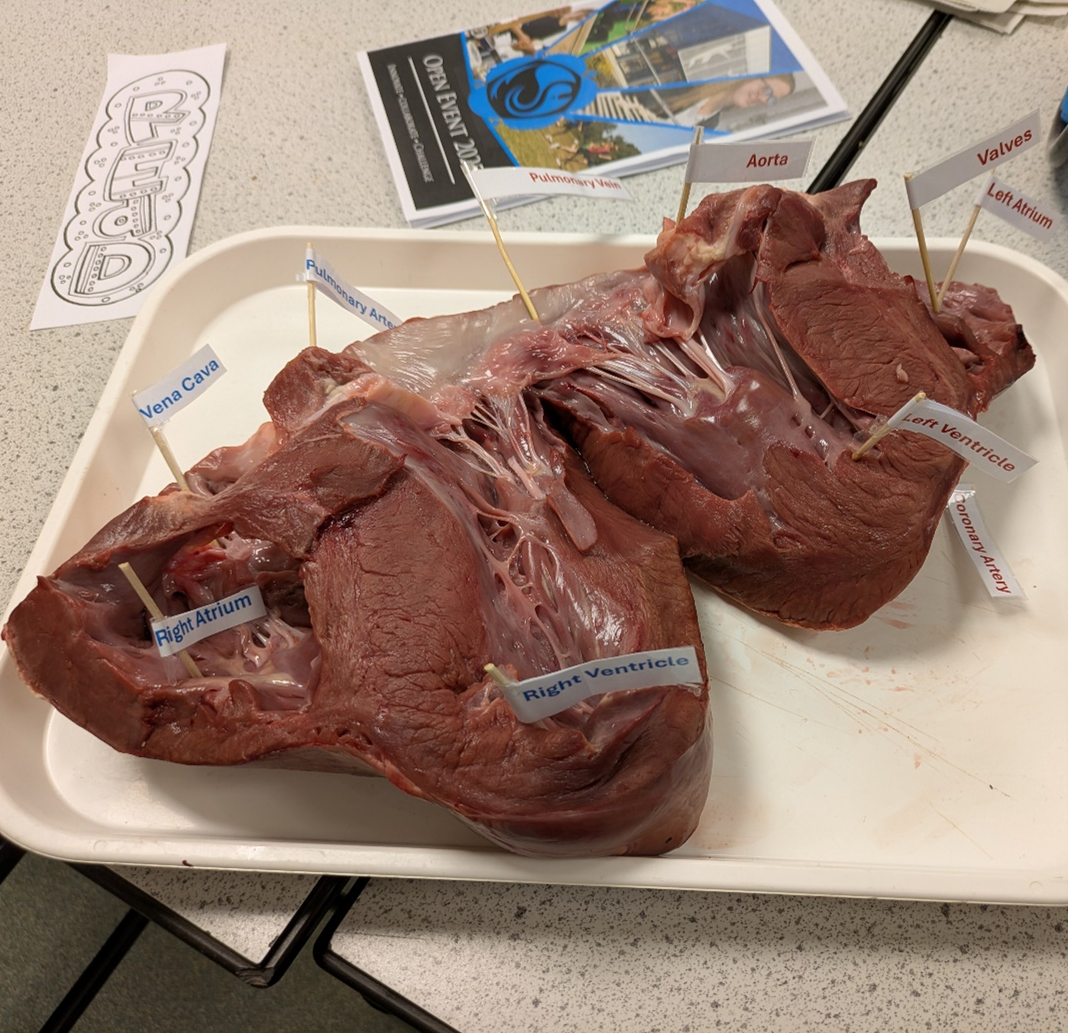
Image shows a hand holding a clear test tube upright against a pale background. Inside the tube are distinct layers of coloured liquid, with red at the bottom, yellow in the middle, and blue at the top. Small bubbles are visible near the surface. The separation of colours suggests a science experiment involving density or liquids that do not mix.

Image shows a dissected animal heart laid open on a white tray in a science classroom, with labelled flags identifying key parts including the right atrium, left ventricle, right ventricle, vena cava, pulmonary artery, aorta, valves and coronary artery. Worksheets and classroom materials are visible on the desk around the tray.

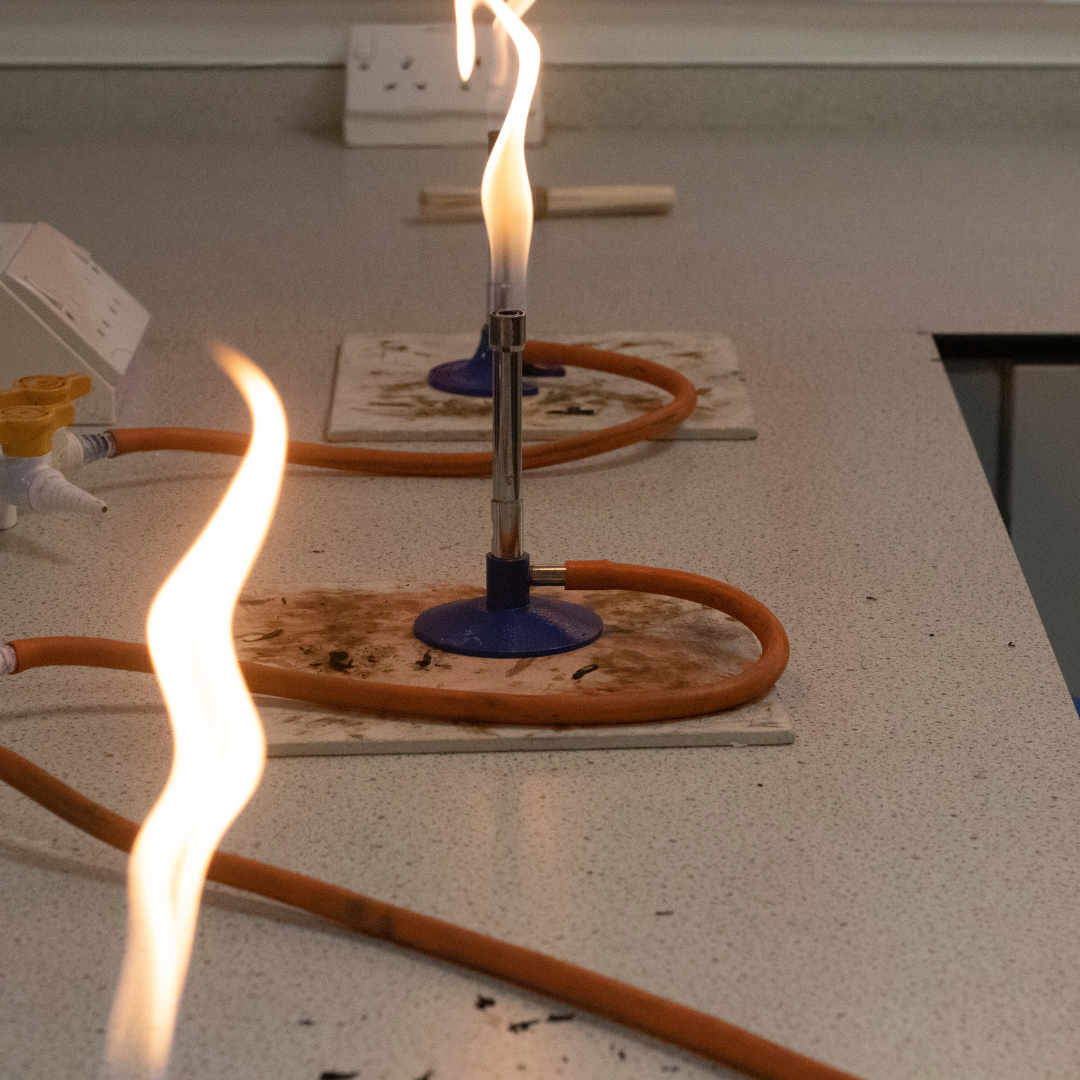
Image shows three lit Bunsen burners arranged in a row on a light grey science laboratory worktop. Each burner sits on a white heatproof mat marked with brown scorch stains, and orange gas hoses loop around the bases and connect to gas taps. Tall yellow-orange flames rise from the metal barrels, with one flame blurred in the foreground. A wall socket and laboratory equipment are visible in the background, indicating a practical science lesson.