
Curiosity at the heart of British Science Week
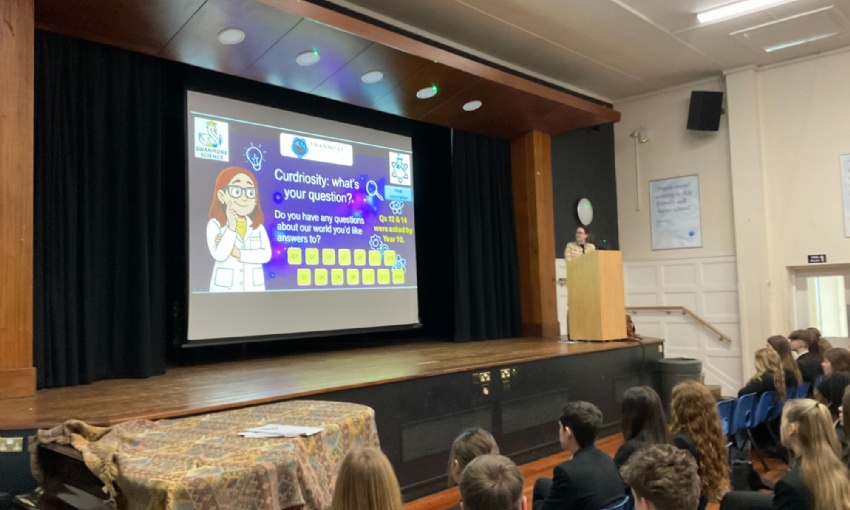
From the science of the Northern Lights to questions about black holes and popcorn, British Science Week sparked curiosity across Swanmore College.
A Live Window into the Northern Lights
Pupils from every year group gathered in the hall to explore one of nature’s most spectacular phenomena, the aurora borealis, commonly known as the Northern Lights.
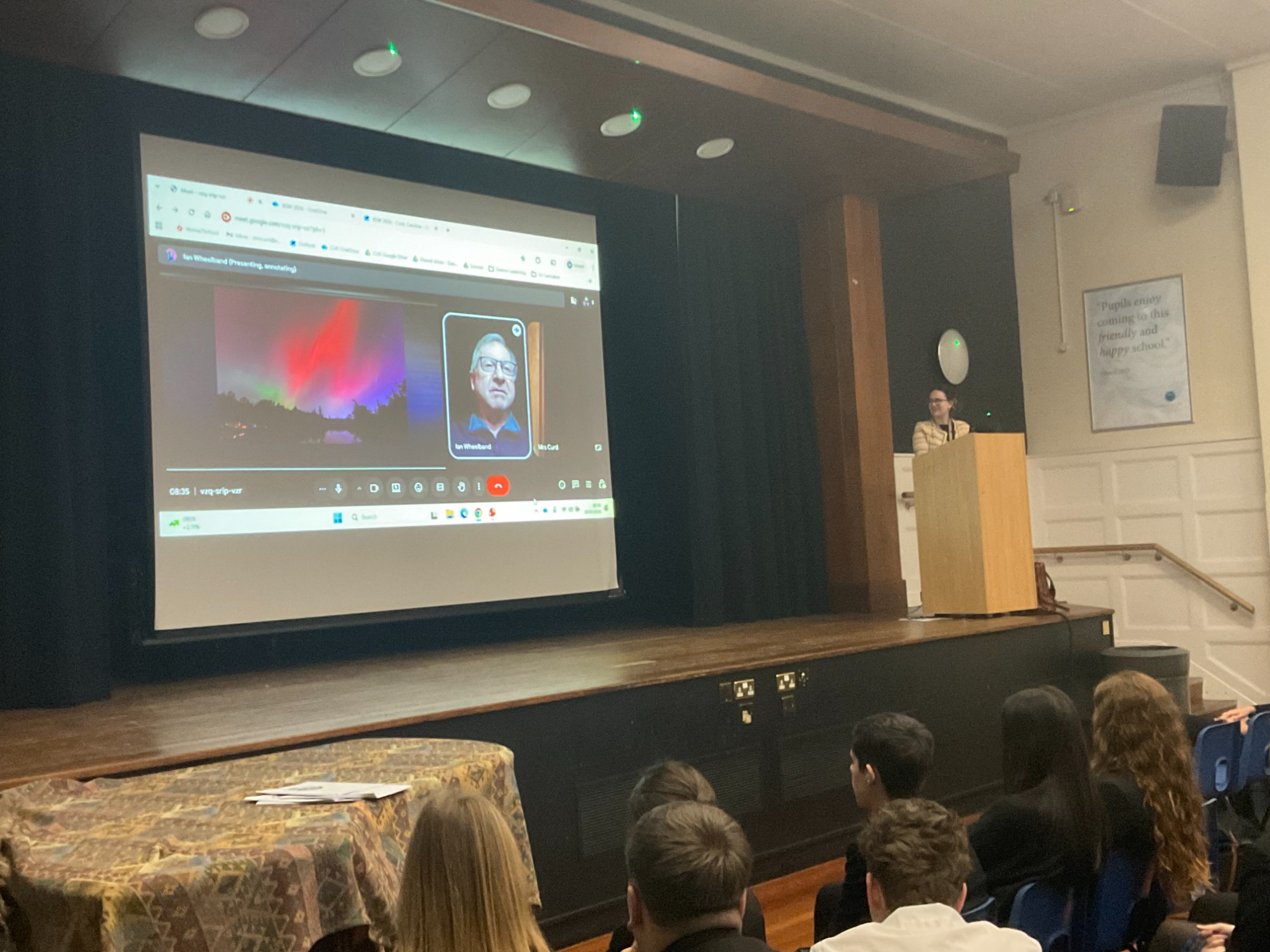
What made the assemblies particularly memorable was the opportunity to connect live with an amateur astronomer based in Canada, who joined the sessions remotely to explain the science behind auroras and share telescope images from thousands of miles away.
Seeing the night sky explained in real time by someone observing it from the other side of the Atlantic helped bring the topic vividly to life.
The assemblies generated a great deal of enthusiasm across the College.
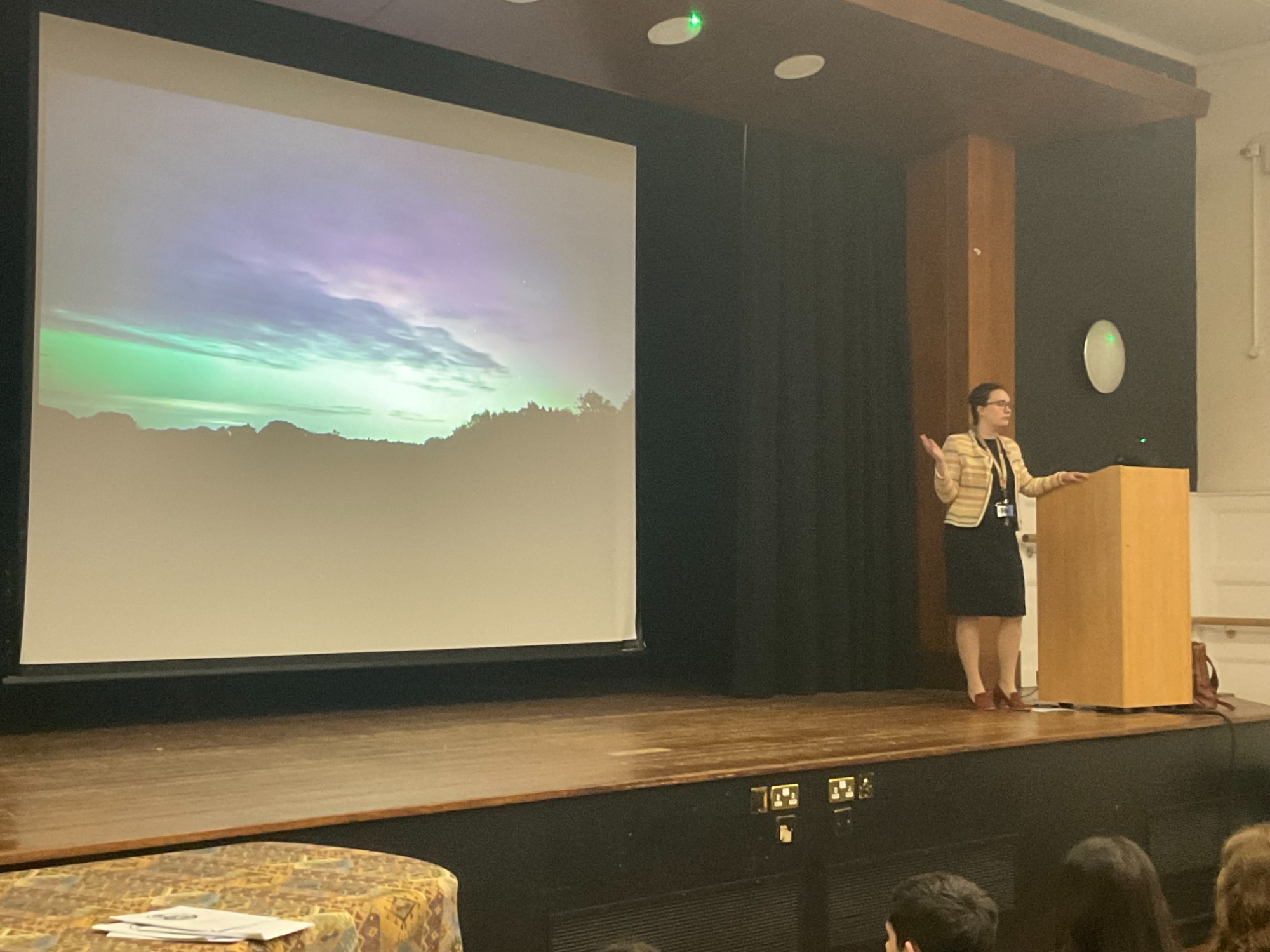
During the assemblies, pupils learned how auroras form when charged particles from the Sun travel towards Earth on the solar wind and interact with our planet’s magnetic field and atmosphere. When these particles collide with gases high above the Earth, they release energy in the form of light, creating the glowing green, red and purple displays seen in the Northern Lights.
Images, diagrams and telescope photos helped illustrate the process, while the live discussion gave pupils a fascinating insight into how auroras are observed in other parts of the world.
"This was one of the best, most innovative assemblies I’ve seen in a long time. Such a brilliant idea to involve an astronomer over a live video link."
“Curdriosity”: What’s Your Question?
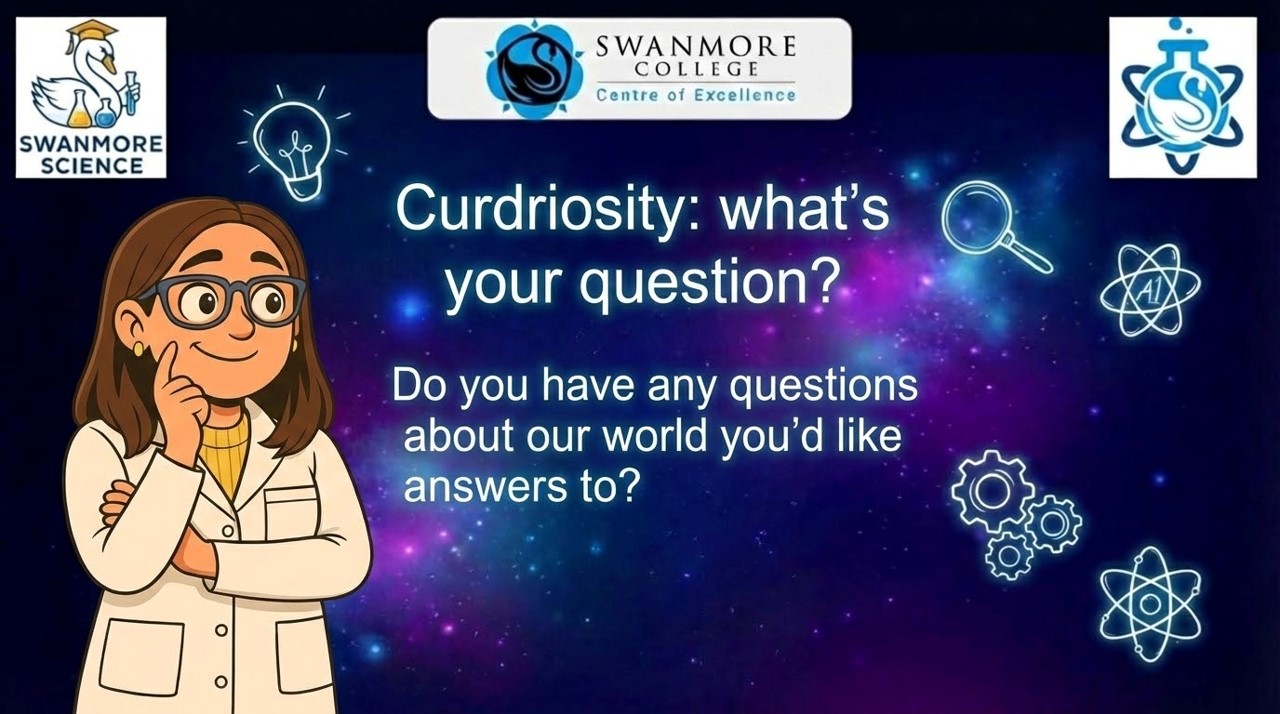
A key part of the assemblies was the “Curdriosity – What’s Your Question?” segment, a playful nod to Swanmore’s Head of Science, Mrs Curd.
Members of the Swanmore community were invited to submit their own science questions in advance, and a selection were explored during the assembly. The range of questions showed just how curious people are about the world around them.
Some of the questions included:
- How does popcorn pop?
- Do fish get thirsty?
- Why is AI bad for the environment?
- What happens when a neutron star collides with a black hole?
- What happens after the universe ends?
- Why did humans evolve differently from other species?
- How do bones grow and change size?
- Do cats and dogs understand us and, if so, how?
These questions formed part of the interactive presentation used during the assemblies.
One reaction summed up the atmosphere perfectly:
“COOLEST ASSEMBLY EVER!!!”
Poster Competition Launched
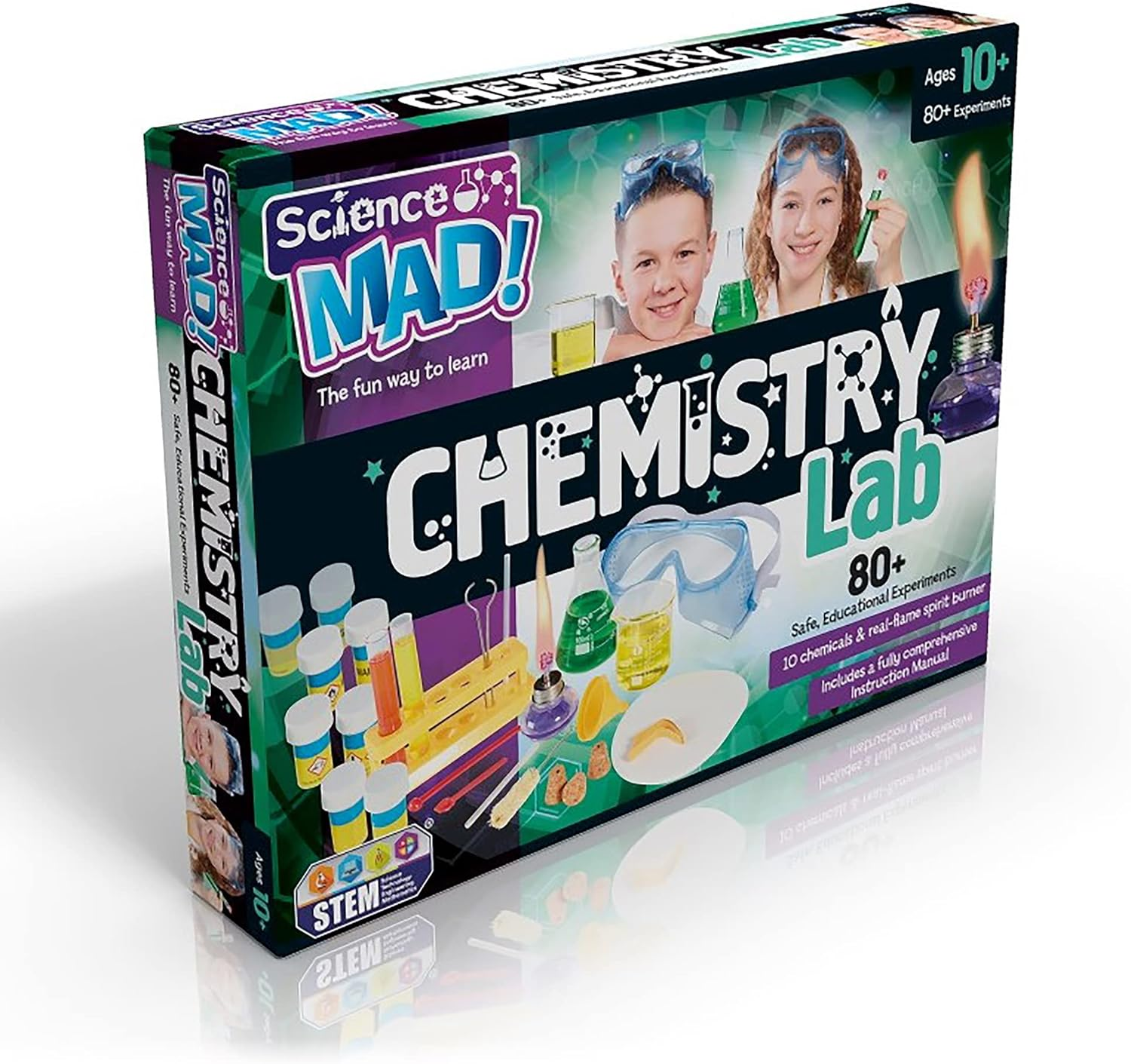
To continue the spirit of curiosity beyond the assemblies, the Science department has launched the British Science Week Poster Competition.
Pupils are invited to create an A4 poster that asks and answers their own scientific question about the Earth, science, nature or the universe. Posters can be hand drawn or created digitally, and pupils are encouraged to choose questions that are interesting, unusual or simply something they have always wondered about.
Rewards include:
- 5 ICC points for entering
- 10 ICC points for third place
- 20 ICC points for second place
- 30 ICC points and a prize for first place
The deadline for entries is Friday, 17 April 2026.
Find Out More About the Northern Lights
Pupils who were inspired by the assemblies and would like to learn more about the Northern Lights, or even try to spot them themselves, can find regular updates about aurora activity online.
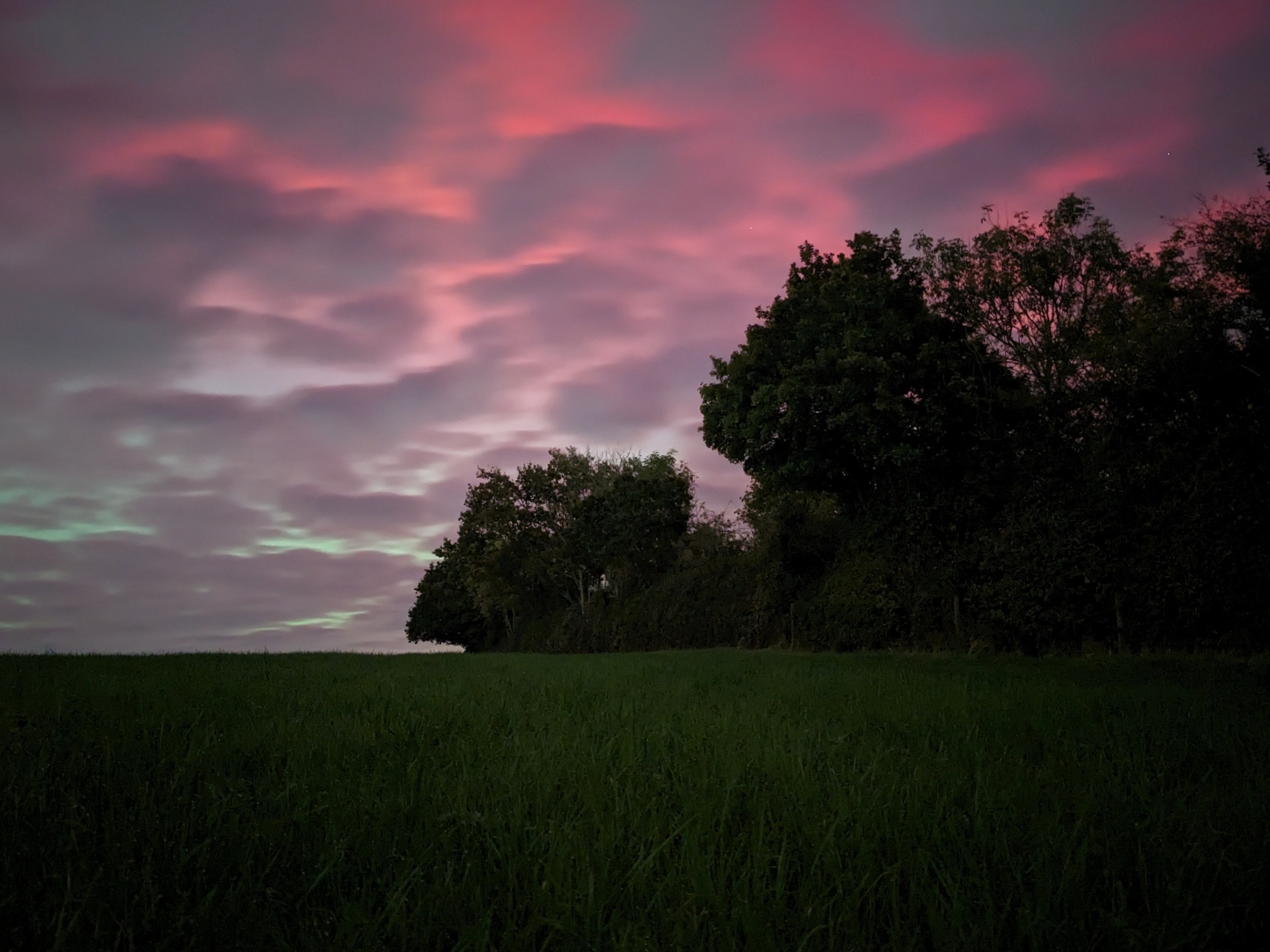
One useful resource is Glendale Aurora Alerts, which provides forecasts and notifications when aurora activity may be visible in the UK.
You can find out more here:
Aurora Alerts
During periods of strong solar activity, the Northern Lights can occasionally be visible much further south than usual, including parts of the UK. The next time the sky lights up over Hampshire, Swanmore pupils will know exactly what they are looking at!
A Week That Sparked Curiosity
British Science Week encourages young people to explore, question and discover. Events like these assemblies remind pupils that science is about asking questions, exploring ideas and trying to understand how the world and the universe work.
From the science of solar winds to questions about black holes, the week provided plenty of inspiration for curious minds across the College.
As one comment afterwards put it:
“Pupils and staff were completely engaged. What a way to start the morning looking at something as incredible as the Northern Lights.”